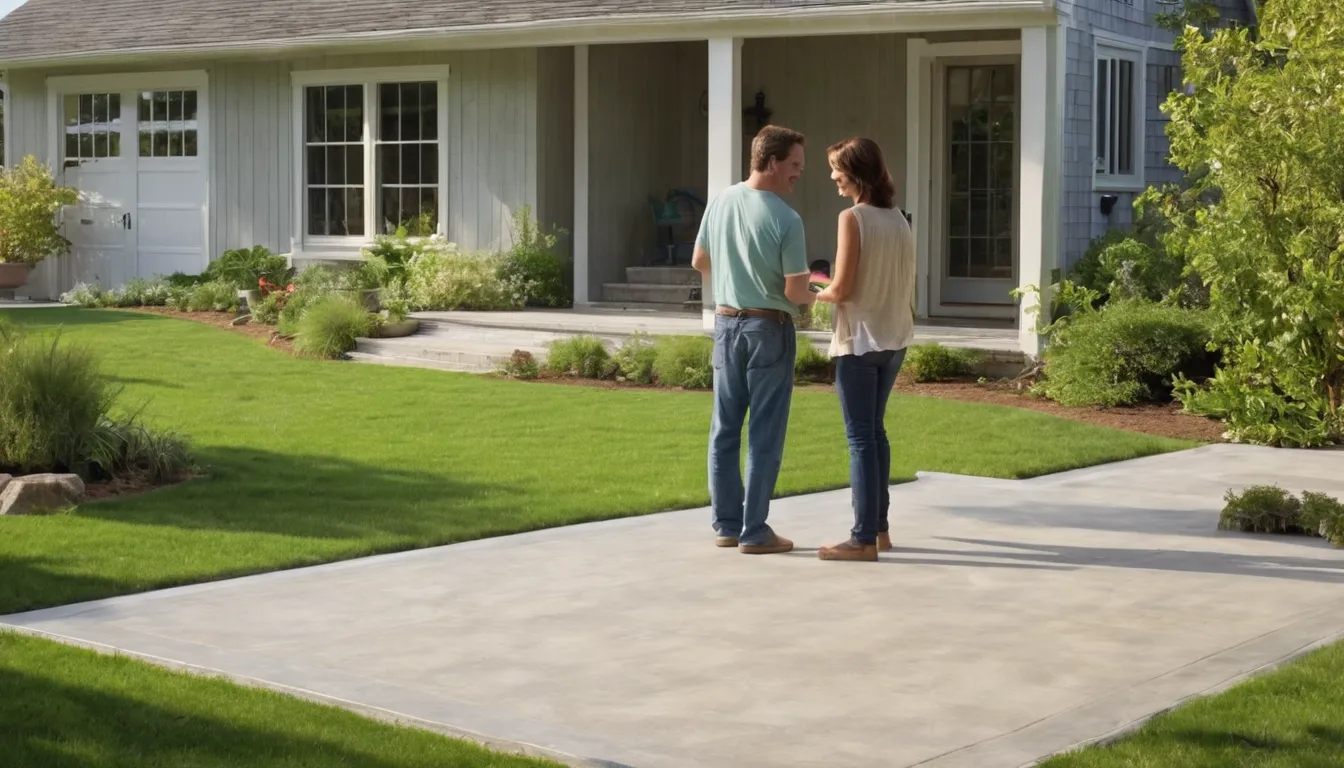
A new patio looks simple from the kitchen window. Underneath, it is a layered project. The ground is shaped, the base is packed, the concrete is placed, and then it slowly cures. Each step has a window, and timing shapes concrete more than most people expect.
Olympinvesting Concrete is a referral service. We do not pour or finish anything ourselves. We explain what happens and when, then connect homeowners in Lower Burrell and the Lower Burrell area with independent local providers who build patios. Ask before you pour, and you will know what to expect from the first day to the last.
Planning a Patio Before the Weather Turns
Think of a patio like bread dough. It needs the right temperature and enough time, or it will not turn out. Concrete behaves the same way, so the season you pick matters.
In Pennsylvania, cold snowy winters and freeze-thaw cycles are hard on outdoor slabs. Many homeowners start planning early so the work lands in milder weather.
What Happens in the First Hours
Once concrete is placed, the clock starts. In the first few hours, the surface is finished while it is still workable. If it is rushed or started too late, the top layer can end up weak or uneven.
Water also rises to the surface in this stage. A provider has to judge when it is the right moment to smooth and texture the slab.
The First Days of Curing
Curing is like a cake cooling in the pan. It looks done, but the inside is still setting. During the first days, the slab needs moisture and protection from hard rain, heat, and foot traffic.
Most providers ask you to keep people and furniture off for a short period. Ask your provider for the exact timing on your job, since it varies.
The Weeks After Pouring
Concrete keeps gaining strength for weeks. Heavy items like grills, planters, and large tables are often wiser to add later. A provider can tell you when your slab is ready for them.
Why Homeowners Choose Concrete
Concrete is sturdy, shapes easily, and can be finished in many looks. It handles furniture, grills, and gatherings well. For many homes, it is a practical way to add usable outdoor space.
What a New Patio Project Includes
Most projects follow the same path. A provider marks the area, removes grass or old material, and shapes the ground. Next comes a compacted gravel base, forms to hold the edges, and often steel mesh or rebar.
Joints and Reinforcement
Concrete shrinks a little as it dries. Control joints give it planned places to crack neatly, like the perforated line on a sheet of stamps.
Sizing Your Patio
Start with how you will use it. A café table for two needs far less room than a dining set, a grill, and lounge chairs. Mark the outline with rope or a hose and set out your furniture to test it.
Older homes, including Cape Cod styles and multi-family houses, often have tight yards. Careful sizing helps you fit the patio without crowding doors, steps, or a bulkhead.
Finish Options
Broom and Smooth Finishes
A light broom texture is the classic choice. It gives grip when wet and is usually the simplest to maintain.
Color, Exposed Aggregate, and Stamped Looks
Color can be added to the mix or applied to the surface. Exposed aggregate shows small stones. Stamped concrete patios mimic brick, slate, or wood. Each option changes the price and the upkeep, so ask providers to explain the trade-offs.
Drainage and Your Foundation
Water should travel away from the house, like rain sliding off an umbrella. A patio that slopes the wrong way can push water toward the walls.
This matters with full basements and stone or block foundations, which can be sensitive to moisture. A slight slope away from the house is typical. If you already see foundation trouble, foundation repair experts can assess it before a patio goes in.
Choosing a Concrete Provider
Get more than one written quote. Compare the base depth, thickness, reinforcement, joints, and finish, not just the total. Ask how the provider handles drainage and cold weather.
Providers in our network work with concrete flatwork of many kinds, and you can ask each one about experience with patios like yours.
Caring for Your New Patio
Seal the surface if your provider recommends it. Sweep often and rinse off spills. In winter, go easy on de-icing salts, since they can scale young concrete. Plastic shovels are gentler than metal ones.
Fill small cracks early, since water that freezes inside a crack makes it wider. If you notice larger problems later, concrete driveway repair and patio repair are separate jobs for a local provider.
Your Next Step
Know your options, then take a small step. Request a callback to check provider availability, or use the request form to ask for an estimate with no obligation.
What's Included
Site Layout and Prep
A provider marks the outline, clears the area, and shapes the ground so water drains away from the house.
Base and Forms
Compacted gravel gives the slab a steady footing, and forms hold the edges and the shape.
Pour and Finish
Concrete is placed, leveled, and textured while it is workable, then joints are cut.
Curing and Sealing
The slab is protected while it gains strength, then sealed if recommended.
Typical Patio Costs in the U.S.
Prices vary a lot by size, region, finish, and site conditions. These are typical U.S. ranges only. A written quote from a local provider will give you the numbers that fit your yard.
| Item | Typical range | Notes |
|---|---|---|
| Basic broom-finish patio | $6 – $12 per sq ft | Plain gray slab, standard base |
| Colored concrete | $8 – $15 per sq ft | Color added to the mix or surface |
| Stamped concrete patio | $12 – $20 per sq ft | Pattern and color add labor |
| Exposed aggregate | $8 – $18 per sq ft | Stones revealed in the surface |
| Excavation and base prep | $1 – $4 per sq ft | Depends on soil and access |
| Old slab removal | $2 – $6 per sq ft | Depends on thickness and disposal |
How It Works
Share Your Plans
Tell us the size, finish, and timing you have in mind. Request a callback to talk it through, or use the request form.
Get Matched
We connect you with an independent local provider who builds patios.
Compare Written Quotes
Ask about base, thickness, joints, drainage, and finish so you can compare fairly.
Schedule and Cure
Pick a start date, then give the new slab time to cure properly.
Why Call Olympinvesting Concrete
Plain Explanations First
You learn how concrete sets and why timing matters before any provider starts work.
Independent Providers
Providers in our network run their own businesses and do all the concrete work.
No Pressure
Compare options at your own pace. Requesting an estimate carries no obligation at all.
Local Weather Aware
Cold winters and freeze-thaw cycles shape how patios should be planned and built.
Other Services
Need home concrete patios in Lower Burrell?
Planning a new driveway, stamped finish, or patio? Request a callback to check provider availability, or send a request and a local provider will follow up.
No obligationHome Concrete Patios FAQ
How long does a concrete patio take to cure?
Concrete usually hardens enough for light foot traffic within a few days, but it keeps gaining strength for weeks. Your provider can give a timeline for furniture and heavy items based on your mix and weather.
What time of year works well for pouring a patio?
Mild weather is easiest on fresh concrete. Very hot or freezing days can cause problems. Many providers can work in cooler months with protection, so ask how they handle your local conditions.
How thick should a concrete patio be?
Many residential patios are about four inches thick over a compacted gravel base. Heavy loads or poor soil may call for more. Ask providers to list thickness and reinforcement in your written quote.
Request a callback
Planning a new driveway, stamped finish, or patio? Request a callback to check provider availability, or send a request and a local provider will follow up.
No obligation